

Take that, Joe Biden!
On Monday, New Hampshire celebrated the 250th anniversary of becoming the first colony to establish an independent government, setting a precedent for self-rule in America and proving the Granite State was “First in the Nation” before there even was a nation.
The 1776 New Hampshire Constitution, also known as the Exeter Constitution, created the state’s Provincial Congress just as the Revolutionary War was beginning in earnest. New Hampshire Secretary of State David Scanlan said the principles enshrined in the 1776 Constitution still resonate today.
“It is the first document in the country that created a form of citizen governance that has withstood the test of time,” Scanlan said.
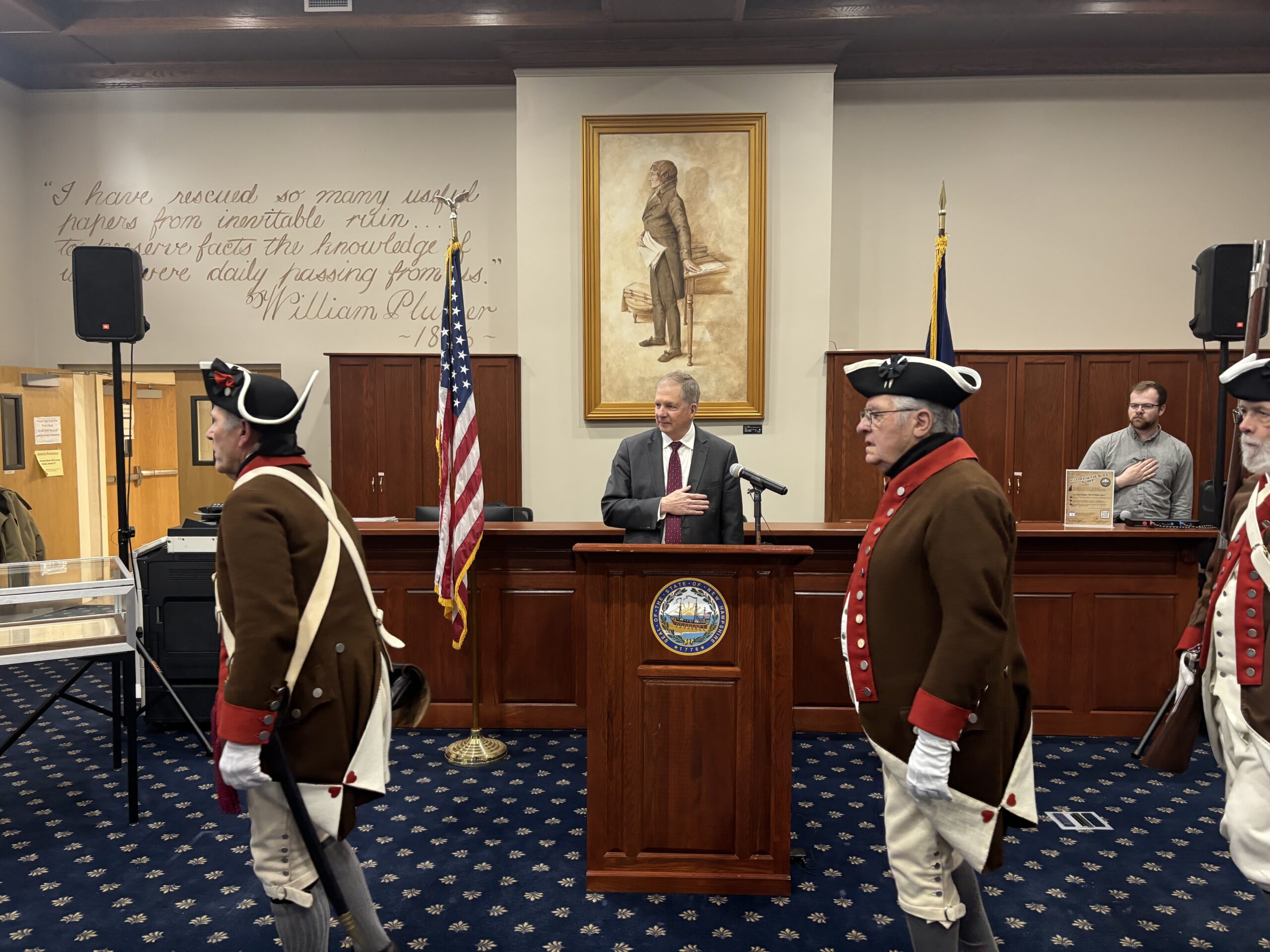
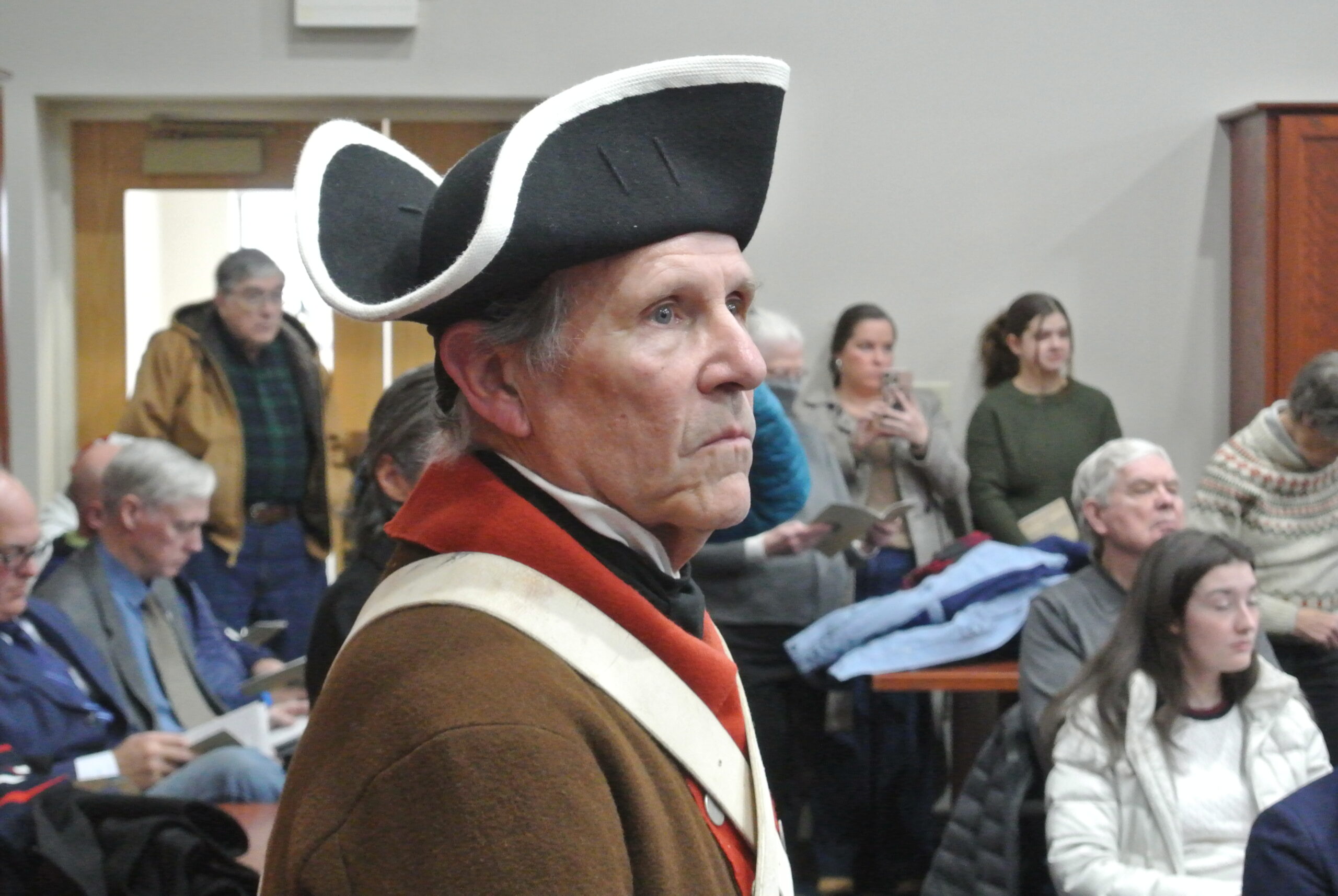
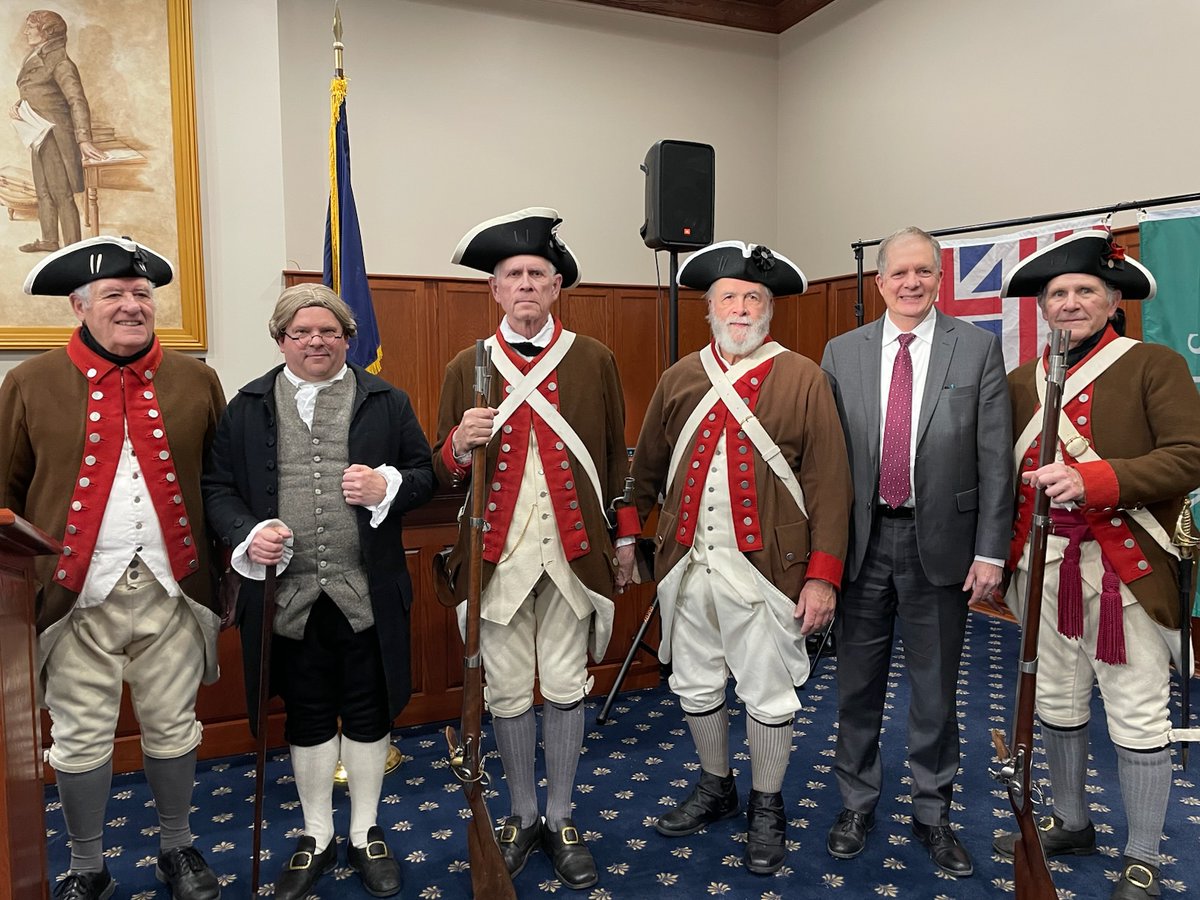
An original, restored manuscript of the document was on display Monday at the New Hampshire State Archives as members of the public gathered to celebrate the beginning of the state’s status as an independent and free government. The Sons of the American Revolution supplied the color guard, and historical reenactor Michael LePage portrayed New Hampshire patriot Matthew Thornton while reading from the Constitution.
Rep. Jonah Wheeler (D-Peterborough) said he is proud of New Hampshire’s place in history.
“You know, New Hampshire — we’ve got our small little niche in the grand story of America,” Wheeler said. “I think that’s a pretty fantastic thing.”
Executive Councilor Karen Liot Hill (D-District 2) said Monday’s event highlighted what makes New Hampshire unique.
“It’s a wonderful celebration of something that makes New Hampshire really special — having the first constitution in the country,” Liot Hill said.
It wasn’t just the state’s first-place status that made the document notable, according to LePage. The reenactor, whose credits include portraying Massachusetts figures such as John Adams and Paul Revere, said New Hampshire’s 1776 Constitution was revolutionary in its structure.
“No executive branch — just reliance on the House of Representatives,” LePage said.
Under the 1776 Constitution, New Hampshire’s first government had neither a governor nor any other executive officer. Scanlan said that revolutionary distrust of centralized power — and the desire to give the people leverage — remains a defining feature of New Hampshire politics.
“The citizens wanted to spread the power of government as broadly across the population as they could, and they wanted to control the government,” Scanlan said.
While she was unable to attend the event, Gov. Kelly Ayotte did issue a proclamation honoring the 250th anniversary of the 1776 Constitution.
“From the Pine Tree Riot to the presidential primaries, our First in the Nation legacy is still going strong — Live Free or Die!” Ayotte posted on social media.
While New Hampshire now has a governor, Scanlan said the spirit of the Exeter Constitution continues to shape state government. New Hampshire has the largest House of Representatives in the country, allowing the legislature to drive the agenda. The governor’s authority is limited by the Executive Council, and the office is subject to election every two years.
In fact, all elected state officials face voters every two years, giving citizens what Scanlan described as the ultimate veto power.
“If they wanted to, they could literally clean them out,” Scanlan said.
While the American Revolution is often described as a tax dispute, LePage said the fundamental issue was not the tax burden itself, but the question of freedom and self-determination — a theme that still resonates in Concord today.
“It’s not about paying the taxes so much as who’s determining who you pay them to, and who’s determining what they’re spent on,” LePage said. “Should it be a government 3,000 miles away, sitting in London? Or should it be a government that sits here?”