

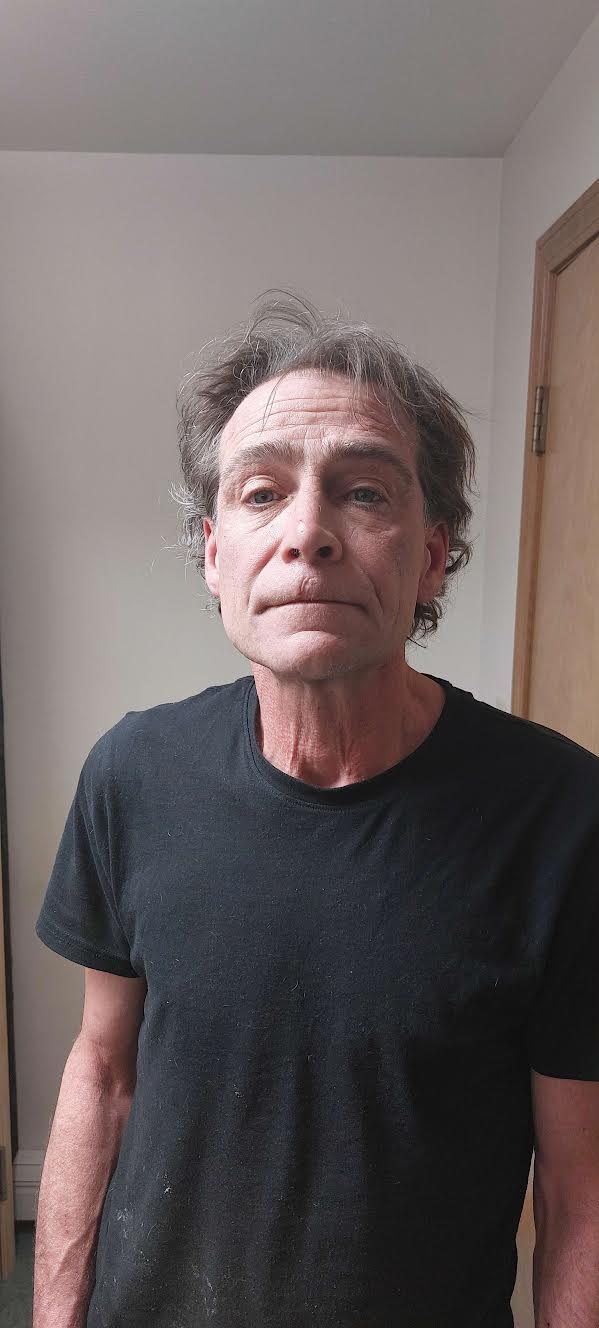
The state of New Hampshire has stripped an anti-Trump Northfield man of his right to vote after he pleaded guilty to kicking Trump campaign signs. Now, some are asking if the punishment exceeds the crime.
Nick Coots-Moorehead, 55, pleaded guilty this week to one Class B misdemeanor count of unlawfully removing political signs during the 2024 election cycle. He could not be reached for comment; his publicly listed phone number is disconnected.
Coots-Moorehead walked into the yard of a Northfield couple three times last year to kick their Trump sign and yank it out of the ground, according to court records. The couple managed to catch Coots-Moorehead’s actions on video, which they shared with Northfield police and investigators with the New Hampshire Attorney General’s Election Law Unit.
In the video of the final incident, Coots-Moorehead is seen kicking the sign down and then giving the homeowner the middle finger after she yelled at him, according to the police report. Coots-Moorehead initially claimed the signs were on the public sidewalk and in his way as he walked past the house. But the videos told a different story.
Coots-Moorehead won’t spend any time in jail, but he will pay $310 in fines and court fees, along with the revocation of his right to vote. Losing voting rights for a misdemeanor may seem extreme, but it is not an unusual consequence in New Hampshire for anyone who breaks election-related laws.
Article 11 of the New Hampshire Constitution states that the right to vote will be removed if a person is “convicted of treason, bribery, or any willful violation of the election laws of this state or of the United States.” Coots-Moorehead was prosecuted under election laws meant to protect political speech.
Last year, former Republican state Rep. Troy Merner had his right to vote taken away for two wrongful voting convictions. The Lancaster state representative moved to nearby Carroll before the 2022 election but stayed on the ballot and was reelected to represent Lancaster. Despite an investigation by the Attorney General’s Office into his living situation, Merner claimed he was still legally domiciled in Lancaster when he voted in the 2023 Lancaster municipal election.
Stripping voting rights from convicted criminals, regardless of the crime, has become a contentious issue in American politics. About half the states allow convicted criminals to vote as soon as they leave prison. Others require felons to complete their entire sentence, including probation. Progressive organizations want more states to automatically “re-enfranchise” felons after they’ve served their time.
Two states, Maine and Vermont, never take away a convicted criminal’s right to vote, allowing them to participate in elections while incarcerated.
The good news for Coots-Moorehead and Merner is that the state constitution allows people whose voting rights have been revoked to seek restoration from the state Supreme Court. The bad news is that the one justice who might understand their plight, Associate Justice Anna Barbara Hantz-Marconi, is recusing herself from criminal cases.
Hantz-Marconi pleaded no contest this month to a Class B misdemeanor charge alleging that she tried to get Gov. Chris Sununu to look at a pending criminal investigation into her husband, former Ports Director Geno Marconi. Hantz-Marconi paid a $1,200 fine as a result of the conviction, but had her law license restored and returned to the court a week later.