inside sources print logo
Get up to date New Hampshire news in your inbox

Ayotte Orders AG to Review Controversial Nashua Water Deal
Gov. Kelly Ayotte wants answers about the state officials who invited a Chinese beverage company to set up shop in Nashua, ordering the New Hampshire Attorney General’s Office to conduct a review.

Attorney General John Formella confirmed on Friday that a review of Nongfu Spring is now on tap.

“The governor has directed the DOJ to look into the facts and circumstances surrounding this purchase, with a specific focus on any involvement by state and local officials and what can be done to remedy any process failures and enhance reviews of these types of purchases going forward. We will report our findings to the governor upon the conclusion of our review,” Formella told NHJournal. 

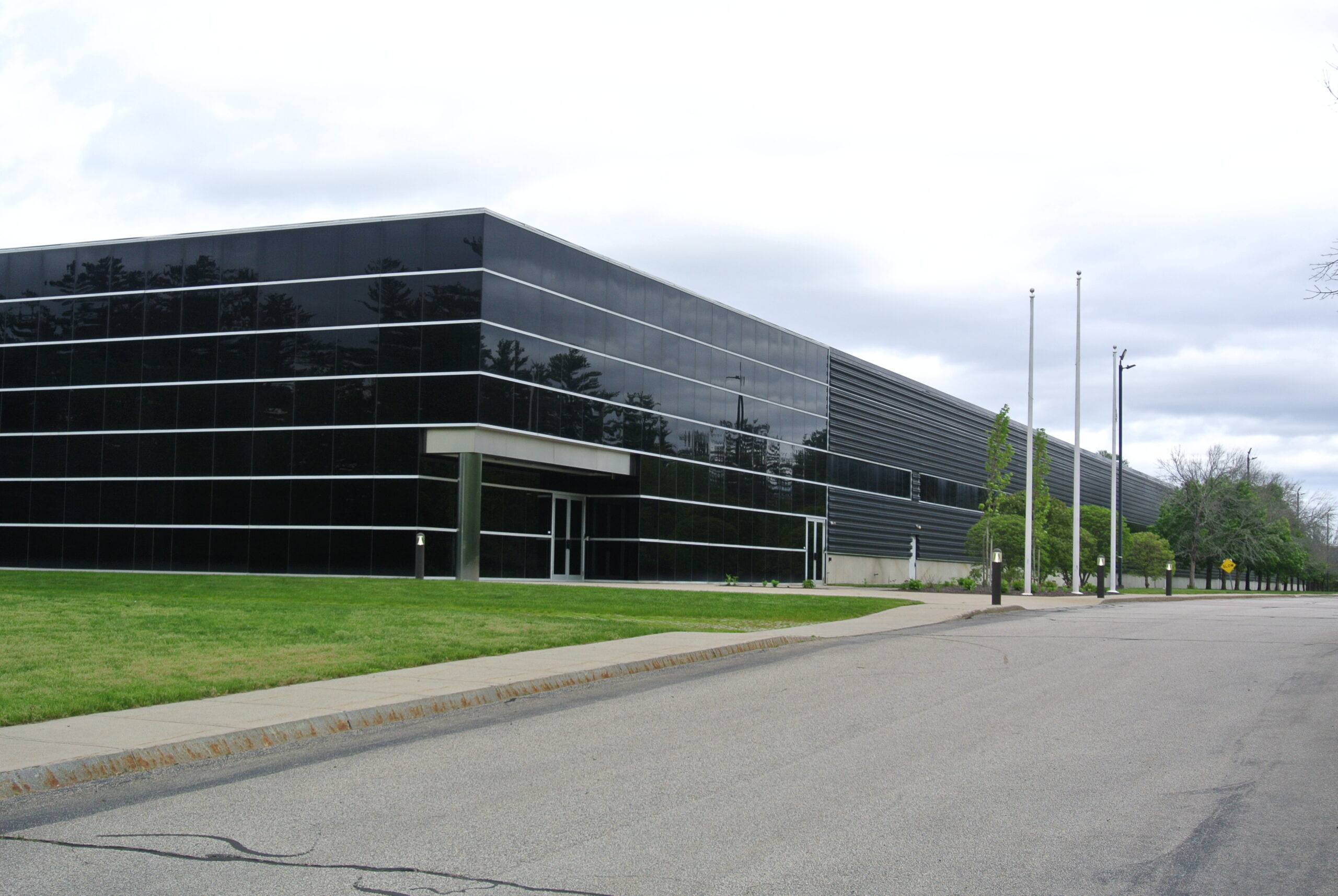
Nongfu, owned by China’s top billionaire Zhong Shanshan, quietly bought a commercial property in Nashua for $67 million earlier this year, though the property was valued at around $15 million. After months of speculation about the deal, Nashua Mayor Jim Donchess said it was brokered under an economic development initiative championed by Gov. Chris Sununu’s administration. 

“If you have problems with this, you’re in the wrong place. This was initiated and pursued by Concord. We are kind of just spectators to the whole thing,” Donchess said.

Tensions have been mounting in Nashua for months as concerns have grown over Nongfu Spring’s acquisition of the 330,000-square-foot industrial site and its plans to draw water from the city’s main supply system.

In February, Nongfu Spring, China’s largest packaged‑water producer, quietly bought a long-vacant warehouse at 80 Northwest Boulevard—a site valued at $15 million according to public records—triggering alarm over the staggering $67 million price tag and strategic location.

At a recent public meeting, the city’s Board of Aldermen room was packed. One resident voiced the sentiment, echoing the room: “Look at us… still here, still freaked out by this.”

Concerns were amplified by the building’s proximity to several defense-related installations—New Boston Space Force Station, Hanscom Air Force Base, Pease Air National Guard Base, and key transportation hubs including airports and naval facilities.

Ayotte’s decision to bring in the attorney general echoes her previous statements calling for heightened scrutiny. “We’re always concerned when the Communist Party, the Chinese Communist Party, or anyone associated with that party buys land in New Hampshire,” she said, questioning the inflated purchase price and demanding transparency on the company’s intentions.

Ayotte is not alone. Three Republican Executive Councilors — Joe Kenney, John Stephen, and Dave Wheeler — have written BEA Commissioner Taylor Caswell asking for information about the role his agency played in promoting the purchase.

“Our constituents have expressed concerns about the transparency and oversight of the Nongfu Spring purchase in Nashua, particularly regarding who was informed, when, and the extent of the Department of Business and Economic Affairs’ (BEA) involvement,” they wrote.

Among their questions:

  • Did the BEA actively recruit the company to relocate or establish operations in New Hampshire? If so, when did those efforts begin, and who initiated contact?
  • What commitments, if any, has the company made regarding job retention or creation in Nashua, and when were these commitments communicated to the BEA?

State Senate Majority Leader Regina Birdsell—spearheading legislation to ban land purchases by entities from countries deemed adversarial, including China—pointed to the Nashua deal as a cautionary example.

At the federal level, Congresswoman Maggie Goodlander requested a retrospective review of Nongfu Spring’s purchase by CFIUS, expressing unease over potential threats posed by a foreign adversary acquiring land near critical infrastructure.

Rumors swirled that Nongfu might attempt to buy or control Pennichuck Water Corporation, Nashua’s semi-private water utility. But Pennichuck officials have pushed back forcefully.

CEO John Boisvert and Board Chair C. George Bower emphasized that Pennichuck is not for sale, and no water rights or land have been, or will be, transferred. Bower reiterated that Nongfu would be treated as a typical industrial customer.

Donchess insists the city had no hand in facilitating the deal and only became aware of it when Nongfu’s application for a building permit emerged, which was later withdrawn in late May. He urged residents to direct their inquiries to the state level, particularly the Department of Business and Economic Affairs.

The debate has exposed a growing unease about foreign land ownership near sensitive sites, especially when tied to national security and critical resources like water.

Lily Tang Williams, a Republican challenging Goodlander in the 2026 congressional race and a former Chinese citizen, voiced her alarm. “Why do we even sell our natural resources like water to our biggest adversary?”

State Sen. Kevin Avard represents Nashua and has spoken out on the purchase.

“I want to thank my fellow Nashua resident, Gov. Ayotte, for taking such decisive action on this important issue for our city,” Avard said.

“Since hearing about this potential sale, I have been on the front lines calling for an in-depth review. There are far too many questions about this sale that need to be answered, and getting the Attorney General’s Office involved is an important step. Our neighbors have justifiable concerns that are simply not being addressed by the local government who have tried to pass the buck at every opportunity. Gov. Ayotte’s measured action today shows once again that she is listening to the people and doing what is best to protect our communities.”

Budget Includes Ban on NH Property Purchases by China, Other Hostile Nations

People from hostile foreign nations like China, Iran, and Russia would be barred from buying property in New Hampshire under a revised proposal that is part of the just-passed budget bill.

“I’m very concerned, especially when you look at what’s happening to our agricultural land and agricultural land near military bases,” said Sen. Regina Birdsell (R-Hampstead).

The ban prohibits Granite State land purchases by buyers from the People’s Republic of China, the Russian Federation, the Islamic Republic of Iran, the Syrian Arab Republic, and the Democratic People’s Republic of Korea.

But it was China’s itch to buy American property that prompted Birdsell’s proposal.

She has been trying to protect New Hampshire from hostile ownership for the last two legislative sessions. Birdsell’s proposal for this year would have only restricted hostile actors from buying properties within 10 miles of military bases, but a last-minute agreement with New Hampshire realtors allowed the legislature to put a broader ban into the budget bill.

Birdsell said if the deal had come together sooner, it could have stopped the massive — and some say suspicious — purchase of property in Nashua by Nongfu Spring. 

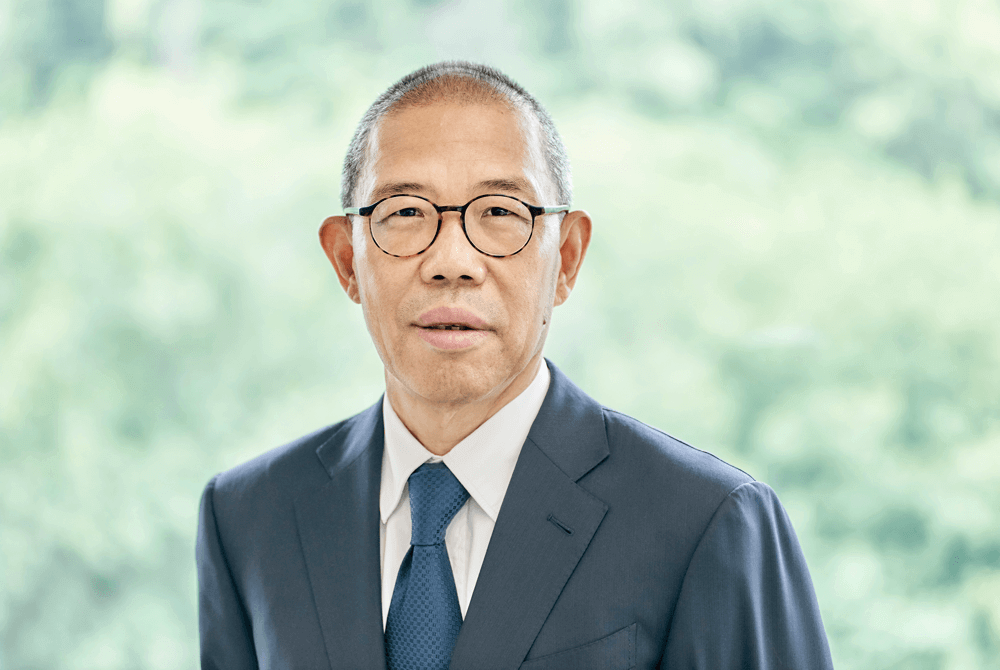
Nongfu is China’s largest beverage company, and its owner, Zhong Shanshan, is China’s richest person, according to the Bloomberg Billionaires Index. He also has ties to the Chinese Community Party.

Nongfu spent  $67 million on an industrial building close to one of Nashua’s water sources, despite online assessments valuing the property at approximately $15 million. The company will be buying water from Nashua’s Pennichuck Water Systems, like any other industrial customer, Pennichuck told NHJournal.

But the worry about foreign ownership is deeper than bottled water. Chinese-owned companies own or lease approximately 400,000 acres of agricultural land in the United States, a fraction of the 40 million acres owned by all foreign nationals or foreign-owned companies. It’s the anti-American politics and the local location that have lawmakers like Birdsell concerned.

Chinese properties in the United States are close to 19 American military facilities, such as Wright-Patterson Air Force Base in Ohio, Patrick Space Force Base in Florida, and Camp Pendleton in California. Birdsell, whose father was in military intelligence, sees the potential danger in allowing regimes like China, North Korea, and Russia to gain a foothold close to American defense facilities. 

“I’m very concerned about the New Boston Space Force Base, the Portsmouth Naval Shipyard, and Pease,” she said.

Birdsell isn’t alone. Over the past few years, more than two-thirds of state governments around the country have enacted a ban on foreign people or entities from buying property. On the federal level, U.S. Sen. Pete Ricketts (R-Neb.) and Sen. John Freeman (D-Penn.) are pushing  for more oversight on foreign countries buying American farmland. 

“We should take back all of their farmland. This is really a national security issue, and it is a food security issue,” Fetterman said in 2023.

Fears about foreign ownership of land in sensitive U.S. locations have been heightened by news from Russia and Iran. In Russia, Ukrainian forces were able to get trucks loaded with drones near military locations and unleash a recent devastating attack on the Russian air force. In Iran, Israeli operatives built an entire drone factory inside the country and used those drones to hit the Islamic Republic’s air defense and missile launching capabilities.

“I would say it’s a wake-up moment now,” said Air Force Chief of Staff Gen. David Allvin told a security roundtable after the successful Ukraine attack. “We’ve always known that hardening our bases is something that we need to do, and so we have that actually in our budgets, to be able to get more resilient basing.”

There are potential security threats in New Hampshire. Space Force officials have testified in Concord about drones flying onto the base and other cybersecurity threats the New Boston facility is tackling.

More troubling is the 2022 arrest of a Russian man living in Merrimack who was allegedly part of a smuggling operation. According to law enforcement, Alexey Brayman was part of a spy ring that used his New Hampshire home to funnel things like ammunition for sniper rifles and electronics that could be used in nuclear or hypersonic weapons to locations around the world.

The fate of the budget is uncertain with Gov. Kelly Ayotte’s veto threat hanging over it. Birdsell’s legislation isn’t controversial, but everything is up in the air until the budget gets signed.

“I’m just going day to day right now,” Birdsell said.

Pennichuck Says Chinese Billionaire Just Buying Water, But Concerns Remain

Fears that Chinese billionaire Zhong Shanshan planned to buy his way into controlling Nashua’s water supply are giving way to tentative relief, with officials keeping a wary eye on a deal.

The good news, says Pennichuck Water, is that the potential deal with Zhong’s Nongfu Spring could ultimately lower residential water bills.

But state and local officials are less than thrilled that the international customer is based in China, which has an adversarial relationship with the U.S., and where companies are under the thumb of the Communist regime.

In February, Nongfu Spring secretly bought a $67 million industrial property in Nashua close to the Pennichuck Pond watershed, sparking concern about the future of Pennichuck Water, the utility owned by the City of Nashua. But C. George Bower, chairman of Pennichuck’s board of directors, told NHJournal there is no plan to sell Zhong anything but water.

There is zero plan to sell the company, there is zero plan to sell any land. We have no land to sell,” Bower said.

Zhong’s close ties to the authoritarian Chinese Communist government, his company’s less-than-stellar environmental record, and the secrecy surrounding the Nashua plant generated alarm throughout the state. The company declined to respond to questions from NH Journal about the unusual property purchase or its plans in Nashua.

Gov. Kelly Ayotte told NHJournal that she would be watching the deal to make sure Nongfu remains a Pennichuck customer and not a Pennichuck owner.

“It’s critical that we safeguard New Hampshire from foreign adversaries like China. We need to ensure we aren’t allowing any national security threat to take root in our state,” Ayotte said.

According to Forbes, Zhong is worth $58 billion, making him the wealthiest man in China. In addition to owning Nongfu Spring, China’s biggest maker of bottled water, he also controls Wantai Biological, which makes rapid diagnostic tests for infectious diseases, including COVID-19.

Nongfu and Pennichuck are in the preliminary stages of deal negotiations, Bower said, but just for water. Zhong wants up to two million gallons a day for his planned beverage plant at his new 80 Northwest Blvd. property. That’s good news for Pennichuck, its owners, and its customers, Bower said. 

Pennichuck has the capacity to produce up to 35 million gallons per day, Bower said, more than enough to accommodate Nongfu’s planned operations. Any costs associated with hooking Nongfu up to Pennichuck’s water system, like adding new water lines, would be borne by the company.

A large-scale, industrial customer like Nongfu would lock into a contract that guarantees a set amount of water per month for the customer. Bower said such deals also require the customer to pay for all the water, whether they use it or not, giving Pennichuck a consistent, new revenue source.

It gets better for Pennichuck. As part of its conservation efforts, Pennichuck charges commercial and industrial customers on a rising scale, meaning the more water they buy, the higher the rate goes. Adding Nongfu as a customer could help drive down costs for Pennichuck and everyone in the Pennichuck system.

“We have fixed costs and variable costs, and a contract like this brings in an ongoing revenue stream that could help us control rates,” Bower said.

That means Pennichuck’s thousands of residential water customers throughout southern New Hampshire could end up paying less for their drinking water, Bower said.

Adding Nongfu to the system is the same as adding any other commercial or industrial customer, Bower insisted. Pennichuck already supplies water for the Anheuser-Busch brewery in Merrimack, which Belgian beverage conglomerate InBev owns.

Granite Staters concerned by a Chinese billionaire buying a large facility near Nashua’s water supply say the issue isn’t xenophobia. Many international businesses are active in New Hampshire. Instead, it’s the specific threat posed by China.

“Water is one of our most vital resources – to have a business, backed by the CCP, accessing water in our backyard is alarming,” said former state Rep. Randy Whitehead. “City officials and the Pennichuck Corporation need to come clean and provide some answers about this deal.”

Sen. Regina Birdsell (R-Hampstead) has proposed legislation to stop Chinese companies from owning land near sensitive military sites in the state.

“Whether it’s flying spy balloons across our country or scooping up critical plots of U.S. real estate, China has stepped up its efforts to spy on our country,” Birdsell said when she proposed the legislation. “Other hostile nations, such as Russia, Iran, Syria, and North Korea, could try the same surveillance tactics unless we do something to stop them. Totalitarian nations do not see any difference between one of their citizens’ companies and the government itself.”

The prospect that Pennichuck could be bought by a foreign individual or entity is alarming, and the reason that the City of Nashua now owns the utility. 

When the city bought Pennichuck, it really did to secure the water supply,” Bower said.

Nashua waged a decade-long battle to buy Pennichuck, closing the $200 million deal in 2012. The city took action after watching the old owners of Pennichuck risk the future security of the region’s water supply. The former owners sold off wetlands to commercial developers and were even considering a purchase offer from a French company when Nashua stepped in. Today, Pennichuck continues to operate as a for-profit utility corporation, but it reports to a single shareholder, the City of Nashua.