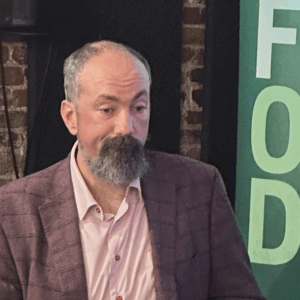
“I’m a big fan of tolls,” says House Majority Leader Jason Osborne (R-Auburn).
But that doesn’t mean he’s going to support a toll-hike proposal that would increase costs for drivers and bring in more revenue.
The New Hampshire Department of Transportation released its proposed “Ten-Year Plan” for 2027-2036 earlier this fall. It says there is a $400 million funding shortfall for the $2.46 billion plan and proposes a $1 increase at the state’s toll plazas. The Hampton toll would increase from $2 to $3, while the tolls in Hooksett and Bedford would jump from $1 to $2.
“Revenue is relatively flat and lower than previous projections,” while “project and operating costs are going up,” according to the proposal. “A toll increase is needed to move projects forward.”
Gov. Kelly Ayotte has made it clear she will not support a toll hike.
“Unlike our neighbor to the south, we won’t be MASSing up our tolls,” Ayotte told NHJournal. “We welcome anyone seeking freedom from Massachusetts’ high taxes and sanctuary policies to come enjoy our beautiful outdoors, shop tax-free, or even move their business or family here.”
Members of both parties acknowledge that New Hampshire’s gas taxes are no longer covering the costs of building and repairing roads. The traditional model is for state and local road spending to be covered by state and local gas and road-use taxes. New Hampshire’s tax collections only cover about 80 percent of that spending, according to the Tax Foundation. That’s actually high compared to neighboring states like Maine (54 percent) and Vermont (48 percent), and ranks the Granite State 13th in the nation.
The gap is very real, the numbers show.
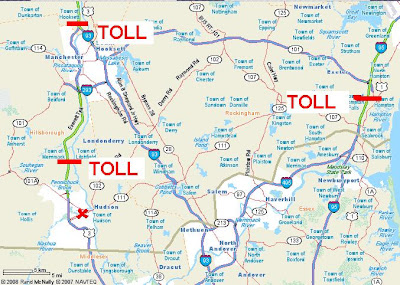
However, Osborne says, that is not the case with the state’s toll roads.
At an Americans for Prosperity–New Hampshire roundtable comparing the tax policies of Maine, Massachusetts, and New Hampshire, Osborne said he supports the concept of toll roads.
“I’m a big fan of tolls. I think that more things should be paid for by tolls, and the people who actually use something paying for the thing that they use,” Osborne said.
And that’s what’s happening in New Hampshire, Osborne added.
“The tolls that we have right now are paying for the roads that are being tolled,” Osborne said. That means a toll increase would go to fund other spending, breaking the user-fee model — and House Republicans won’t support it.
“I’m pretty sure that the legislature — at least the House, I can’t speak for those guys across the wall (state senators) — House Republicans will not be in favor of increasing those tolls. That being said, I would love to figure out how to put more tolls around the state so that those roads can be paid for by the people who actually use them,” Osborne added.
The DOT’s Ten-Year Plan argues that New Hampshire can afford to raise tolls. It notes that the Granite State has the lowest rate per mile among states with toll roads and that it would still rank 26th out of the 32 states that charge tolls.
No go, Republicans say.
“We should all thank Gov. Kelly Ayotte for making it clear that there will be no toll increases in her upcoming 10-year highway plan,” Rep. Joe Sweeney (R-Salem) said in a social media post.
“Granite Staters are still struggling with the cost of living after years of Democrat-driven inflation, and the last thing working families need is another hit to their wallets. The governor’s commitment to responsible budgeting and protecting taxpayers shows exactly the kind of leadership New Hampshire needs to keep our state affordable and moving forward.”