


In New Hampshire political circles, the name Gov. John Lynch is so powerful it has Democrats talking about his daughter, Julia Williams, as a potential 2026 candidate for governor.
Williams has fueled that speculation by telling outlets such as The Boston Globe, “I’m definitely considering it and taking a serious evaluation of the different pieces of all of it, and it’s something I’m eager to do.”
As a successful health care executive in a race without a major Democratic candidate, the 36-year-old Williams would be a welcome entrant into the 2026 field.
Her problem isn’t politics. It’s geography.
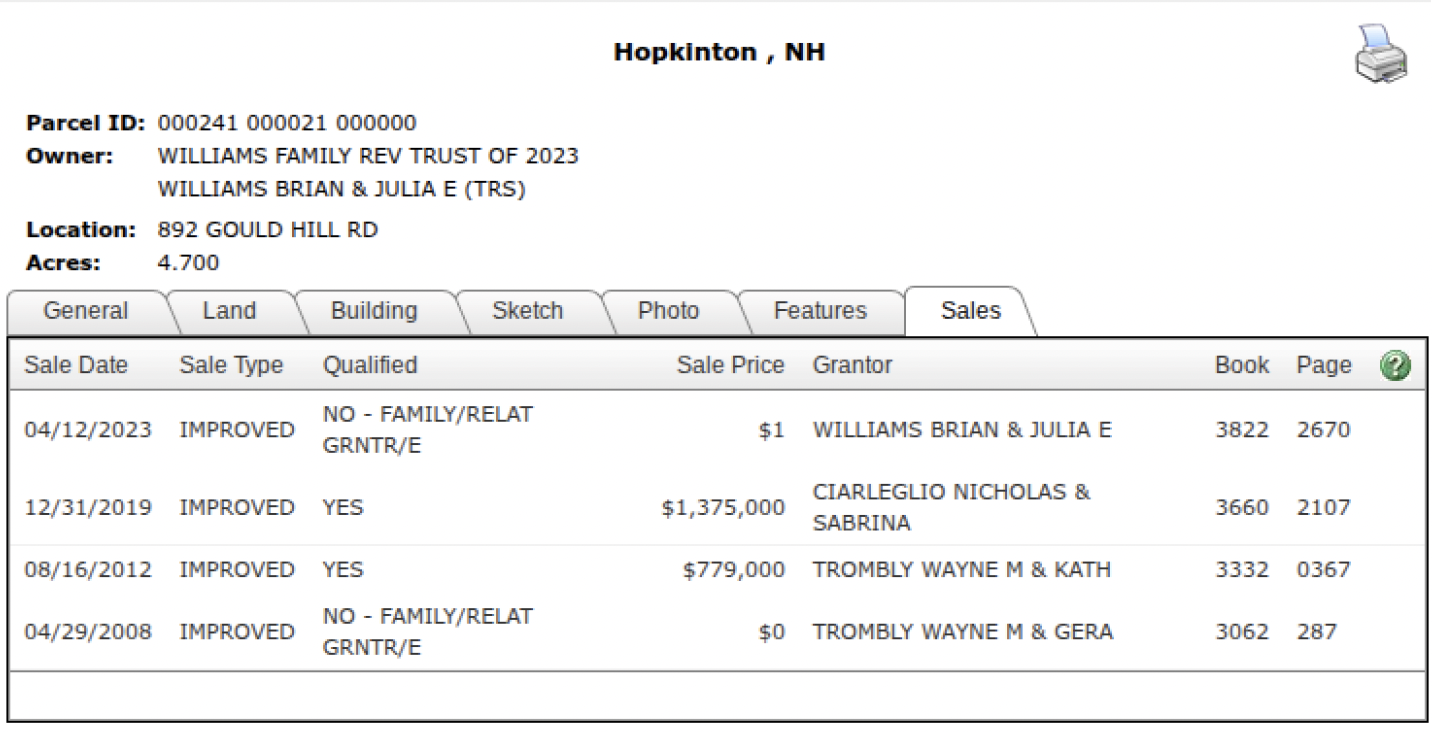
Public records indicate Williams did not move to New Hampshire until Dec. 31, 2019, which means she would not qualify to appear on the November ballot under the state’s residency requirement.
According to Secretary of State David Scanlan, to be eligible to run in November’s gubernatorial election, Williams would have had to be a New Hampshire resident as of Nov. 3, 2019 — seven years before Election Day.
Before 2020, Williams lived in Needham and Natick, Mass., including during the 2018 midterm elections. That presents another potential problem for her candidacy, because public records show she voted in New Hampshire’s 2018 general election via absentee ballot.
Williams also voted absentee in both the 2016 presidential primary and general election. At the time, she was working for CVS in Woonsocket, R.I., on its Patient Care Programs team, according to her LinkedIn page.
Williams did not respond to multiple requests for comment.
House Election Law Committee Chairman Rep. Ross Berry (R-Weare) said Williams is just the latest Democrat with a residency issue. State Rep. Dylan Germana (D-Keene) recently resigned his seat after the state Attorney General’s Office reported “credible evidence” he was living outside his district.
Berry said he would like the Attorney General’s Office to review Williams’ case as well.
“The constitutional seven-year residency issue notwithstanding, the Department of Justice should be looking into vote fraud, as she clearly was living in Massachusetts and voting in New Hampshire,” Berry said.
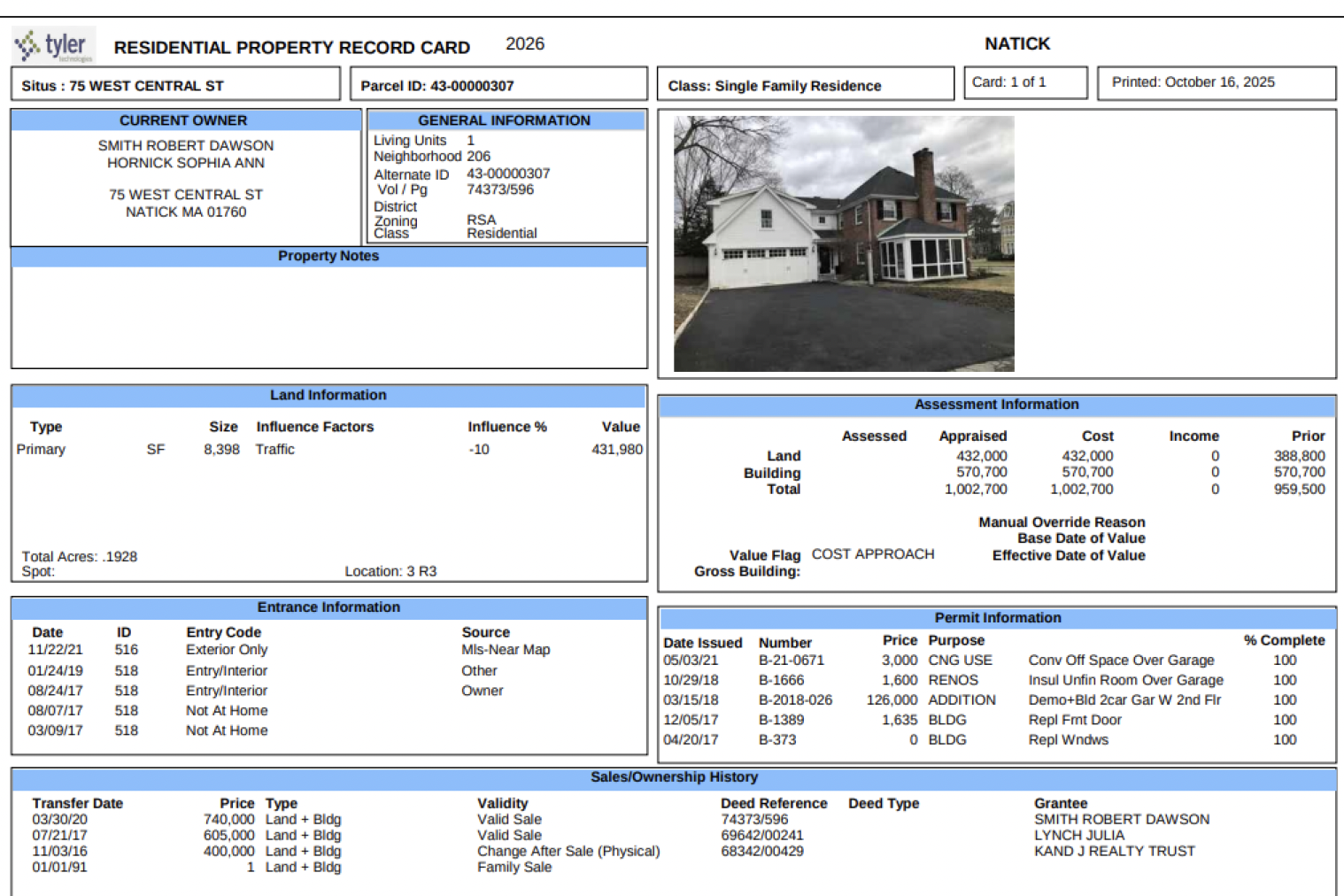
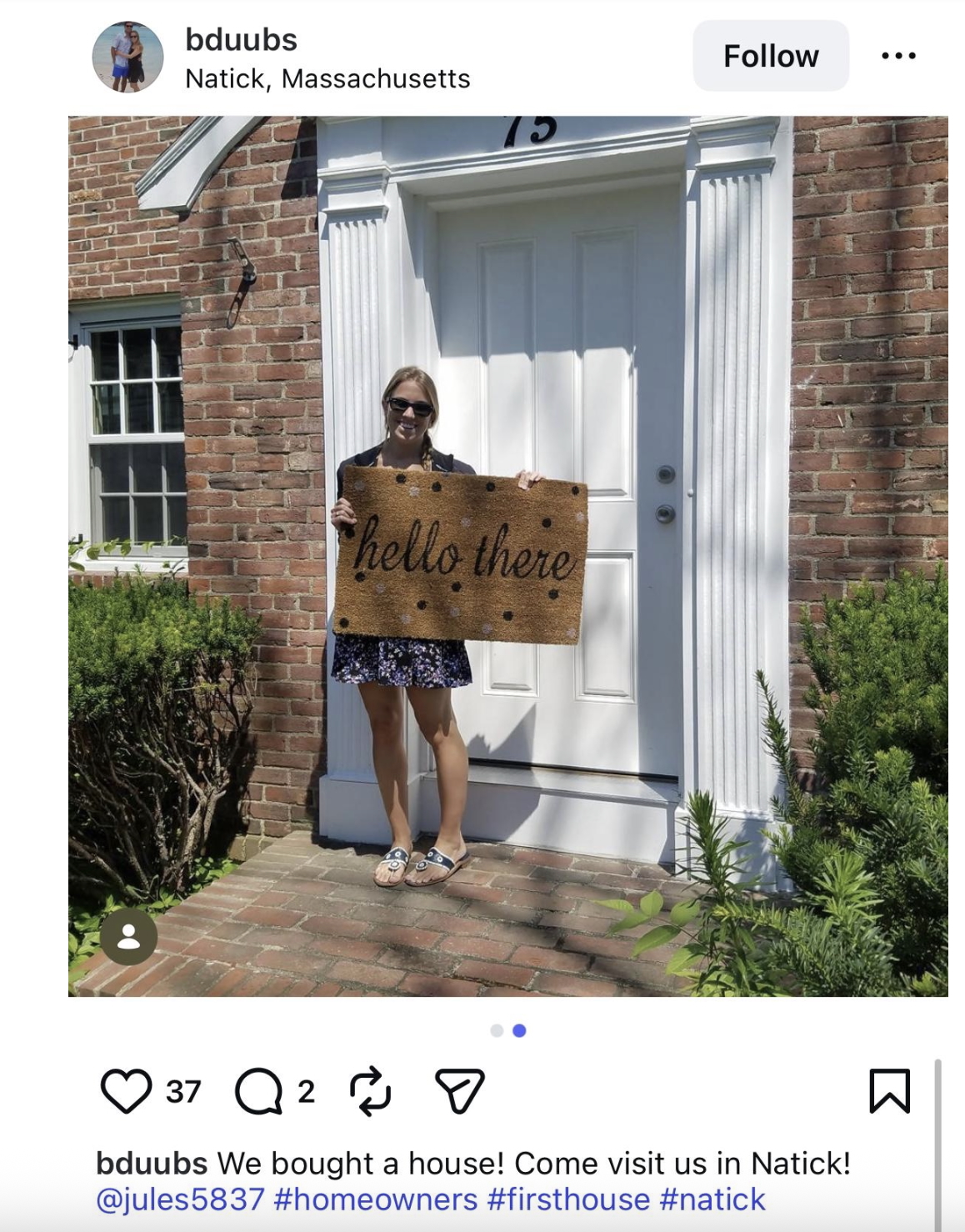
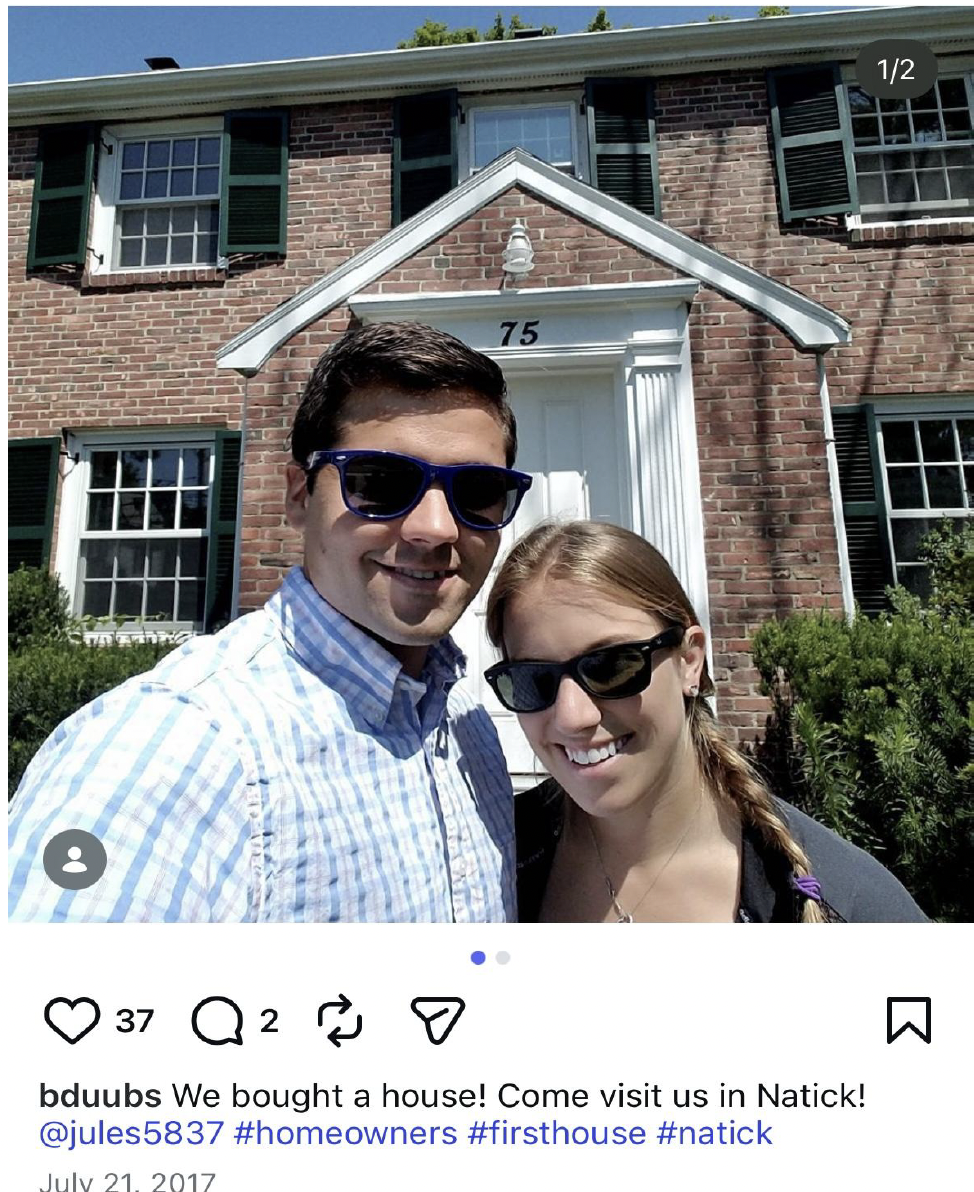 Tax records from Natick show that Julia Williams and her husband, Brian Williams, purchased their home there in 2017 for about $600,000. They celebrated the purchase on social media.
“We bought a house! Come visit us in Natick,” Julia Williams wrote in a July 2017 post, along with a photo of the couple standing in front of their new home.
A June 2018 photo of the house highlighted landscaping changes the couple made to the property.
“It’s been a busy year, but the house is finally coming together,” Williams posted. The couple capped off 2018 by getting married in September.
That November, Julia Williams mailed her general election ballot to New Hampshire.
The Williamses owned their Natick home until March 30, 2020, when they sold it for more than $700,000. Before selling the Massachusetts property, they closed on a $1.3 million home in Hopkinton on Dec. 31, 2019.
According to town records, Julia and Brian Williams are both currently registered to vote in Hopkinton.
New Hampshire law in 2018 was relatively permissive regarding voting residency, allowing out-of-state college students with driver’s licenses and permanent residences elsewhere, for example, to “domicile” in the Granite State and cast ballots here. Williams’ parents, John and Susan Lynch, owned a home in Hopkinton at the time.
However, Williams publicly and repeatedly identified Massachusetts as her home. An avid runner, she participated in road races, including the 2017 and 2018 Boston Marathons. In both events, she listed her residence as Massachusetts. A news article headlined “30 From Dedham to run in 2017 Boston Marathon” lists Williams as one of the 30.
Williams’ refusal to answer questions about her residency could be a red flag for New Hampshire Democrats. And whatever the legality of her status as a voter in 2018 or a candidate in 2026, the politics of her record are problematic at best.
That’s the view of New Hampshire GOP Chairman Scott Maltzie.
“Hold the coronation. If these allegations are true, Julia Williams has a lot of questions to answer — from whether she is even constitutionally eligible to run for governor to whether she voted illegally while living in Massachusetts,” Maltzie said. “The Democrats are clearly stuck between an opioid lobbyist and a hard place when it comes to getting someone besides Krazy Kiper to take on Gov. Kelly Ayotte.”