
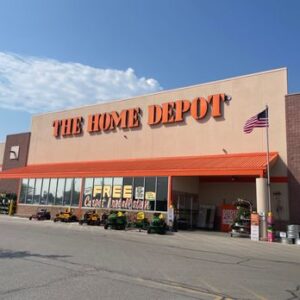
In Portsmouth, it was power tools and air conditioners at Home Depot stores. In Taunton, Mass., it was a truckload of lobster meat.
And across the U.S., it’s a rising tide of organized retail crime — a mixture of stolen products and counterfeit goods — that is costing American businesses billions of dollars.
According to the National Retail Federation, American stores lost $121.6 billion to retail theft in 2023, up from less than $50 billion in 2017.
If that sounds like a lot of money, consider that the 13 defendants charged in the organized crime ring targeting Home Depot stores in Portsmouth and Seabrook, as well as eight other states, allegedly stole at least $2.2 million.
“A lot of times, it’s construction equipment, tools — stuff that can be pawned or sold on the black market quickly, and they can get cash quickly to buy what they want to buy,” said Portsmouth Police Sgt. Jordan Wells.
And pound for pound, the price of the lobster heist was even higher. A single truckload of lobster meat was valued at $400,000. According to the logistics company that was ripped off, a shipment of crab meat had been stolen from the same Taunton facility earlier.
The crime was complex. The thieves changed the name on the side of a truck and created a counterfeit digital driver’s license. But in the world of organized retail theft, it’s par for the criminal course, said Alyssa Erichs, a spokesperson for United to Safeguard America from Illegal Trade (USA-IT).
Erichs is a former acting executive associate director for Homeland Security Investigations who has spent a year fighting retail crime and the illicit trade in counterfeit goods.
“Criminal organizations are increasingly targeting retailers, resulting in billions of dollars in losses,” she told NHJournal. “This pattern demonstrates that organized retail crime has become a widespread issue rather than isolated incidents.”
At a recent summit on retail crime hosted by USA-IT, Raul Aguilar recounted his work overseeing HSI’s Operation Boiling Point, which targeted large-scale theft rings like the one that hit Home Depot.
“These are sophisticated criminal networks that are looking for vulnerabilities — not only in the financial system, like gift card fraud or credit card fraud — but stores that are being targeted for the products these thieves and these organizations know exactly what to take,” Aguilar said.
Earlier this year, two Chinese nationals living in Nashua — one an illegal immigrant — were sentenced in federal court for their roles in what prosecutors called “a Chinese transnational criminal organization that used a complex scheme to steal and launder millions of dollars through gift card theft.”
Erichs encouraged the retail industry and law enforcement to work together to crack down on theft rings. She said the thefts are acts of organized crime that create “significant challenges to retailers and communities.” These include the potential for higher prices as companies invest in additional security measures or layoffs resulting from declining profits.
“Effective state laws must be in place to hold those responsible accountable, ensuring that organized retail theft is treated with the seriousness it deserves,” she said.