
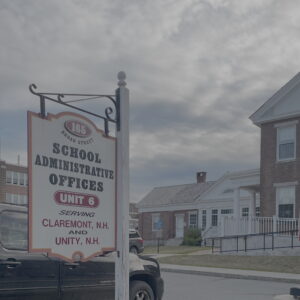
The Claremont School District says its deficit stands at a staggering $5.01 million after its new leadership team completed an extensive internal review of the books.
Interim Superintendent Kerry Kennedy and new business comptroller Matthew Angell announced the revised figure Thursday afternoon, a day after canceling a school board meeting that was scheduled to reveal the numbers.
Kennedy did not respond to NHJournal’s questions on Thursday.
The district nearly delayed the start of the school year after the board learned of the deficit on Aug. 14, when estimates ranged from $1 million to $5 million. Instead, the board cut costs by canceling contracts for 19 new teachers, laying off 20 non-teaching staff, canceling athletics, and securing a $4 million loan. The cuts also forced the closure of Bluff Elementary School due to a lack of teachers.
Kennedy and Angell said they expect additional cuts will reduce the shortfall by the end of the school year, but a significant gap will remain.
“Through the process of identifying the deficit, we’ve been able to identify a number of areas we need to focus on in order to clean this up,” Angell said. “It will take some time to address these, but tightening certain controls will help reduce our deficit immediately.”
And the bad news keeps coming. Angell said the district will need even more money in the months to come.
“I’m not prepared to share a number we can reduce it by. Factors to reduce the deficit change daily … We find savings that we can implement, sometimes by tightening controls and others by eliminating spending. But we are also discovering new, unpaid bills,” he said.
Kennedy and Angell had planned to release the final number on Wednesday night, but the meeting was postponed after new accounting issues surfaced.
“Right now, our interim business administrator Matt Angell has found several new accounting issues, but they need to be unraveled,” Kennedy said in a Wednesday statement. “The accounting of any SAU is complicated enough, and the mismanagement that has led us to this point has made Claremont’s finances even more difficult to pin down.”
The district still has not explained how the crisis began. Claremont stopped conducting annual audits in 2016, and audits for fiscal years 2023 and 2024 remain incomplete.
Former board member Frank Sprague, who resigned in frustration, said administrators misled the board for years.
“We, the board, were seeing financial reports on a somewhat regular basis, which showed us as solvent. This makes no sense whatsoever,” Sprague said.
Sprague said board members were discouraged from scrutinizing the budget too closely, advice that came from the district’s law firm, Drummond and Woodsum.
“It’s interesting every year after the election for board members, we would have our lawyer … meet with the whole board about roles and responsibilities,” Sprague said. “Every year, I heard the same thing: ‘Stay in your lane and let the administration run the district. Your role is to develop a budget in collaboration with administrators, supervise the superintendent, and follow and develop policies.’ Bad advice.”
In its most recent report, auditing firm Plodzik and Sanderson attributed the deficit to “poor financial management practices, including failure to properly request reimbursements for federal and state grants, and the return of excess fund balance to reduce the local tax rate based on inaccurate financial assumptions.”
Mike Campo of Plodzik and Sanderson has said the deficit likely began in fiscal year 2023, when Business Administrator Mary Henry joined SAU 6.
Superintendent Chris Pratt, who started in January 2024, resigned earlier this month with a $40,000 severance package after weeks on paid leave. Henry was also placed on leave, though the district has not clarified her employment status.