
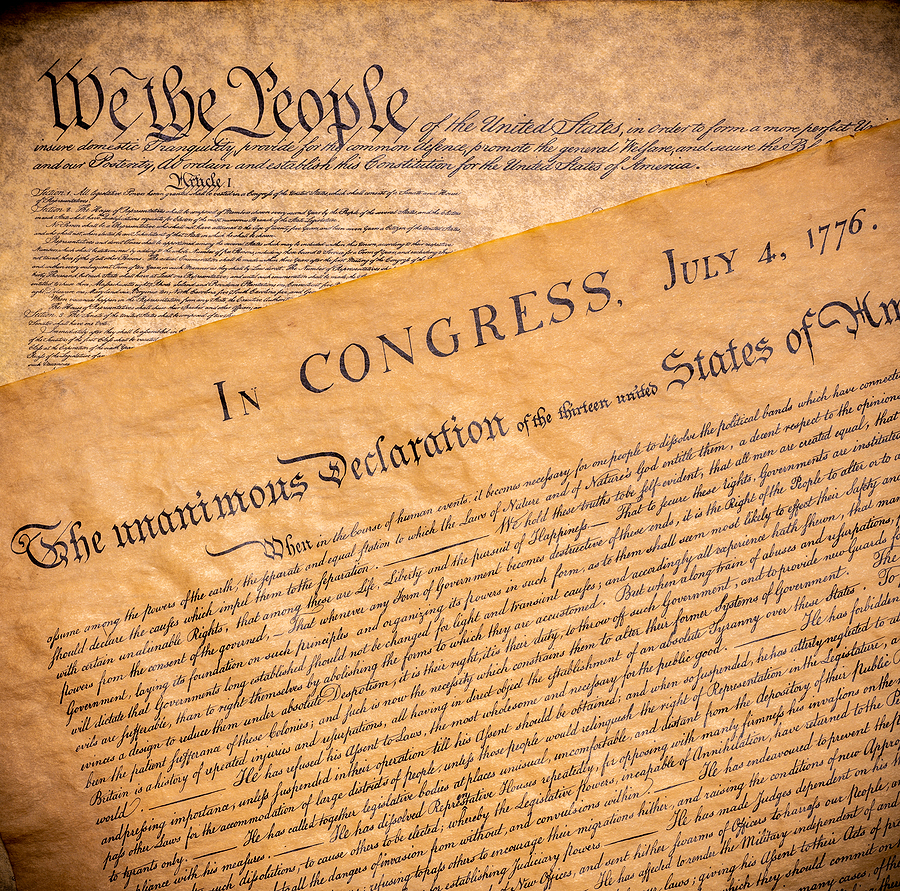
Recent actions by the Trump administration have raised serious concerns about respect for the U.S. Constitution. Multiple amendments that form the backbone of American civil liberties — including the First, Fourth, Fifth, Sixth, Tenth, and Fourteenth Amendments — have come under pressure during this administration’s tenure.
These concerns have intensified amid recent events, including the deployment of federal troops in American cities and the administration’s approach to immigration enforcement. Together, they raise troubling questions about federal overreach and the erosion of constitutional protections.
The First Amendment guarantees freedoms of religion, speech, assembly, and the right to petition the government. Yet those freedoms have increasingly faced challenges. Actions that stifle dissent or limit public discourse undermine the democratic principles on which the nation was founded.
Similarly, Fourth Amendment protections against unreasonable searches and seizures have been weakened, particularly through expanded surveillance and the militarization of law enforcement. These practices threaten personal privacy and blur the line between public safety and government intrusion.
The erosion of Fifth and Sixth Amendment protections is equally concerning. These amendments guarantee due process and the right to a fair trial, yet allegations of overreach and disregard for those safeguards have become more frequent. In both public rhetoric and policy, due process has too often been sidelined, placing strain on the judicial integrity that underpins American law.
The Tenth Amendment, which reserves powers to the states, has also been diminished by sweeping federal policies imposed with little regard for local conditions. This trend has widened the divide between federal and state authorities, weakening local governance and eroding public trust at all levels of government.
The Fourteenth Amendment’s guarantee of equal protection under the law has faced significant challenges as well, particularly in the context of law enforcement and social justice. The administration’s approach has deepened mistrust and intensified existing divisions, complicating efforts to address inequality and injustice.
The tragic shooting in Minneapolis further intensified debates over constitutional rights. In its aftermath, some voices called for undermining the Second Amendment, which guarantees Americans the right to lawfully carry firearms.
Such reactions threaten constitutional liberties and alienate law-abiding citizens who seek to protect themselves and their families. Rather than addressing the root causes of violence through comprehensive reforms, mental-health support, and responsible gun-ownership initiatives, the focus has shifted toward blaming firearms themselves — a move that risks fueling resentment and fear.
Conservatives have long argued that reducing gun violence does not require eroding constitutional rights. Instead, it requires strengthening communities, supporting mental health services, and enforcing existing laws responsibly. Responding to isolated tragedies by weakening fundamental liberties only deepens societal divisions and undermines the freedoms that define American democracy.
The deployment of federal troops in American cities in response to civil unrest has proven to be a misguided policy that creates more problems than it solves. The militarization of law enforcement — particularly in immigration enforcement — has led to serious civil-rights concerns.
The anonymity granted to federal agents has reduced accountability and contributed to instances of profiling, further alienating communities and eroding trust in law enforcement. Deportations stemming from these operations have torn families apart and spread fear through vulnerable communities. Rather than restoring order, these tactics have often intensified unrest.
That fear is compounded by reports that law-enforcement officials could face termination for simply carrying out directives or supporting administration narratives. Punishing officers for following orders shifts accountability away from policymakers and sends a damaging message to those sworn to uphold the law. When officers fear becoming political scapegoats, it undermines morale and discourages decisive, lawful action.
The current federal approach to immigration enforcement across America is counterproductive and unjust. As the nation confronts complex challenges, policymakers should prioritize collaboration, restraint, and respect for civil rights.
Preserving the principles on which the country was founded requires renewed commitment to upholding the Constitution in its entirety. Protecting individual liberties demands a balanced approach — one that honors the rule of law while addressing legitimate concerns about safety and justice.
Only through genuine respect for constitutional rights and meaningful community engagement can America confront its challenges and move toward a society that reflects its highest ideals of freedom and justice for all.