

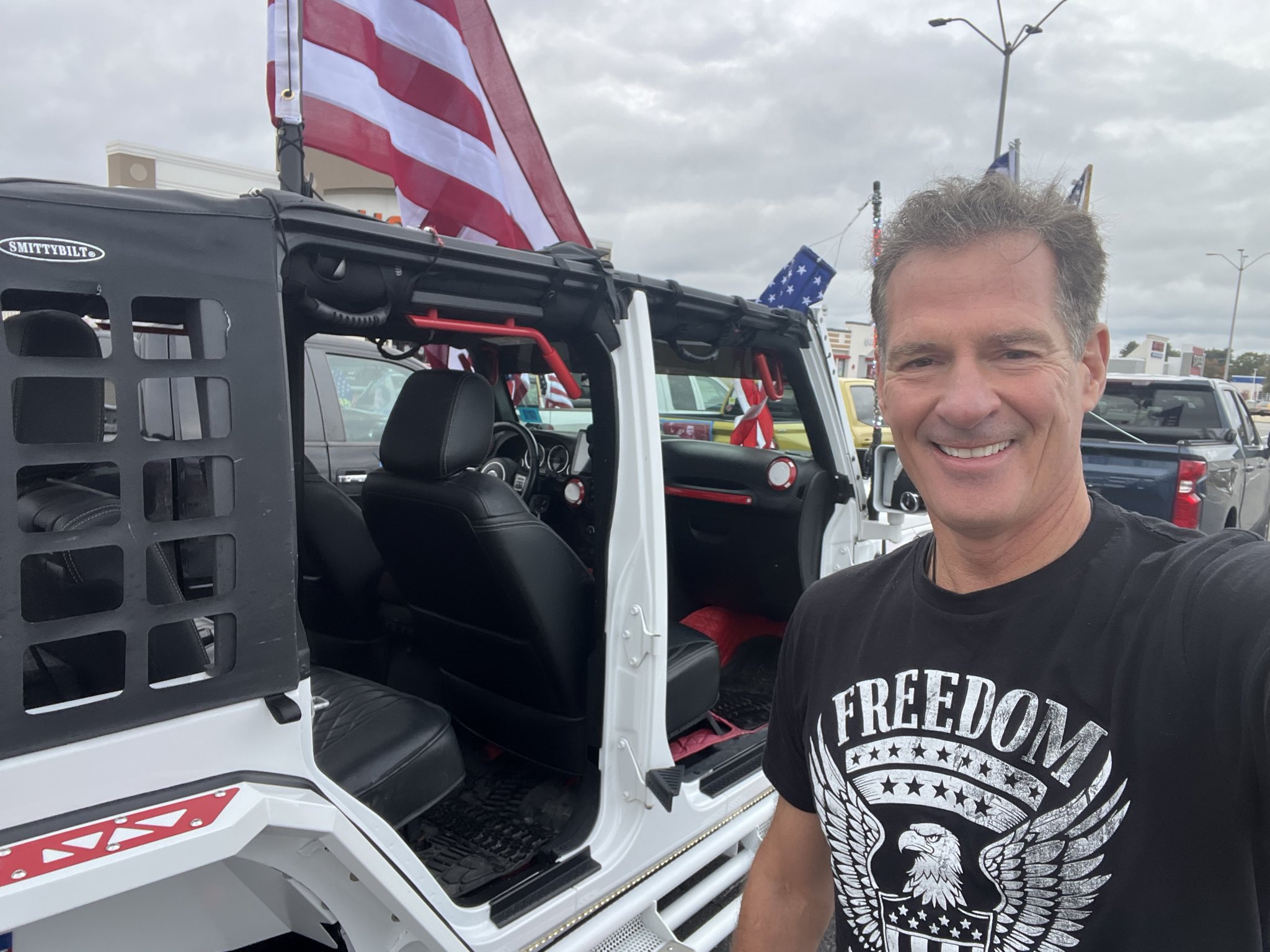
Republican U.S. Senate candidate Scott Brown admitted in the most recent NHJournal podcast that he had hoped to get President Donald Trump’s endorsement, but seeing it go to John E. Sununu was hardly a surprise.
“We had a plan whether the president endorsed me or he didn’t endorse me. Well, he didn’t — and that’s fine, but we had a plan and we’re going to execute that plan,” Brown said.
A lot of activists, grassroots people who voted for me before…They’re saying, ‘We’re with you. You just keep working hard.’ So it’s been very, very encouraging.”
Brown believes voters are responding positively to his outsider message despite Sununu’s support from national GOP figures and Trump.
“People don’t see insider support as a strength,” Brown said. “They see it as proof that the system is still picking winners instead of letting voters decide.”
Brown said activists he meets across the state frequently ask where Sununu has been politically over the past two decades, while contrasting that with Brown’s visibility in New Hampshire Republican politics, including campaigning, hosting events, and supporting GOP candidates.
Brown criticized Sununu’s ongoing corporate affiliations, saying voters are uneasy with candidates who campaign while maintaining paid outside roles. Brown said he has stepped away from all professional commitments except coaching and music to focus exclusively on the race.
“They want someone who’s all in,” Brown said.
On policy, Brown said high energy prices remain a top concern he hears from voters, blaming regional opposition to natural gas pipelines and a lack of aggressive advocacy from New Hampshire’s federal delegation.
Brown said he supports expanding access to natural gas in New England, streamlining federal permitting, and increasing nuclear capacity.
“There’s no reason New Hampshire should be paying some of the highest energy prices in the country when abundant, clean energy is just hours away,” he said.
Housing affordability is another major issue, Brown said, arguing that excessive regulation at the state and local level has constrained supply. While emphasizing New Hampshire’s tradition of local control, he said the federal government can assist by supporting infrastructure improvements tied to housing development.
Brown also drew sharp contrasts on national political policy, particularly regarding Trump. He said Democratic U.S. Rep. Chris Pappas “hates Trump,” and he accused Sununu of being largely silent until securing Trump’s endorsement.
Brown described himself as independent-minded, saying he has supported Trump on issues such as Iran and energy policy, while disagreeing with him on others.
“I’ve always been honest with him,” Brown said. “If I agree, I say it. If I don’t, I say that, too.”
Asked about how New Hampshire Republicans view Trump, Brown said the party is divided into three camps: committed supporters, voters who like Trump’s policies but not his style, and a smaller group who oppose him entirely. He said the middle group has grown and represents an opportunity for his campaign.
Brown also addressed renewed attention to Jeffrey Epstein and connections involving prominent political figures. While not accusing Sununu of wrongdoing, Brown said voters expect fuller explanations rather than blanket denials.
“People want transparency,” Brown said. “Just saying ‘nothing to see here’ doesn’t cut it.”
Looking ahead to the 2026 midterm election, Brown acknowledged concerns that Republicans could face turnout challenges if anti-Trump sentiment energizes Democrats while discouraging GOP voters. He said his campaign strategy centers on intensive retail politics rather than national trends.
“We don’t do coronations in New Hampshire,” Brown said. “You win by showing up, earning trust, and outworking everyone else.”
Brown said that approach — not endorsements — is what he believes will decide the Republican primary.