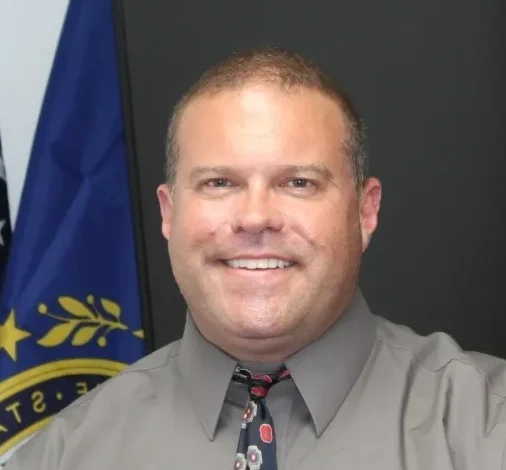

In the heart of Manchester, N.H., a local resident, Daniel Mowery, has found himself at the center of an unexpected controversy over his homemade bread-and-butter pickles. What began as a simple act of sharing his culinary creations with neighbors at community block parties has escalated into a clash with local regulations—raising questions about fairness, clarity in the law, and the spirit of community fellowship.
The city’s health department has informed Mowery that he cannot sell his pickles without a permit, citing that the state’s Homestead License exemption does not apply in Manchester. This led to the bold declaration: “NO PICKLING in MANCHESTER!”
But is this restriction as clear-cut as it seems, and does it align with the intent of supporting local food artisans?
The New Hampshire Homestead License allows individuals to produce non-potentially hazardous foods, like pickles, in their home kitchens for sale under specific conditions. According to state guidelines, a Class H Homestead License—costing $150—is required only if the producer intends to sell to restaurants, other food establishments (excluding retail food stores), online, by mail order, or to wholesalers, brokers, or distributors.
The law does not explicitly prohibit direct sales to consumers, such as at community events or farmers’ markets.
Homestead licensees must also adhere to strict labeling requirements, including listing ingredients, allergens, net weight, and a statement that the product was made in a licensed residential kitchen. Those rules are designed to protect consumers while still fostering small-scale food production.
The issue in Manchester appears to stem from a municipal decision not to recognize the state’s Homestead License exemption for direct-to-consumer sales. That has left local producers like Mowery in a difficult position—unable to share their goods without navigating a complex and potentially costly permitting process. For a small operation like his, which began as a passion project to bring joy to the community, the hurdle feels unnecessarily restrictive.
The situation is further complicated by reports of a complaint lodged against Mowery, allegedly motivated by personal or political differences. While communities must balance public health with individual freedoms, targeting a small-scale producer over homemade pickles seems disproportionate. Such enforcement risks stifling entrepreneurship and discouraging community engagement—especially when state law appears to support those activities under the right conditions.
Rather than framing this as a battle between regulators and residents, we should see it as an opportunity for dialogue and clarification. Manchester’s health department could work with the state to align local policies with the Homestead License framework, ensuring that small producers like Mowery can operate safely and legally. Community members can also rally behind local artisans by advocating for fair regulations that encourage, rather than hinder, small-scale food ventures.
Daniel Mowery’s pickles aren’t just about food—they represent the heart of community, creativity, and the entrepreneurial spirit. Let’s support him by calling for clear, reasonable policies that allow Manchester residents to share their culinary talents without fear of reprisal.
Those who wish to make their voices heard can reach out to Aaron Krycki, Chief of Environmental Health for Manchester.
Together, we can ensure that Manchester remains a place where block parties and homemade pickles thrive—not just as food, but as symbols of connection and creativity.